
How Can Clean Energy Replace Coal, Oil, and Natural Gas?
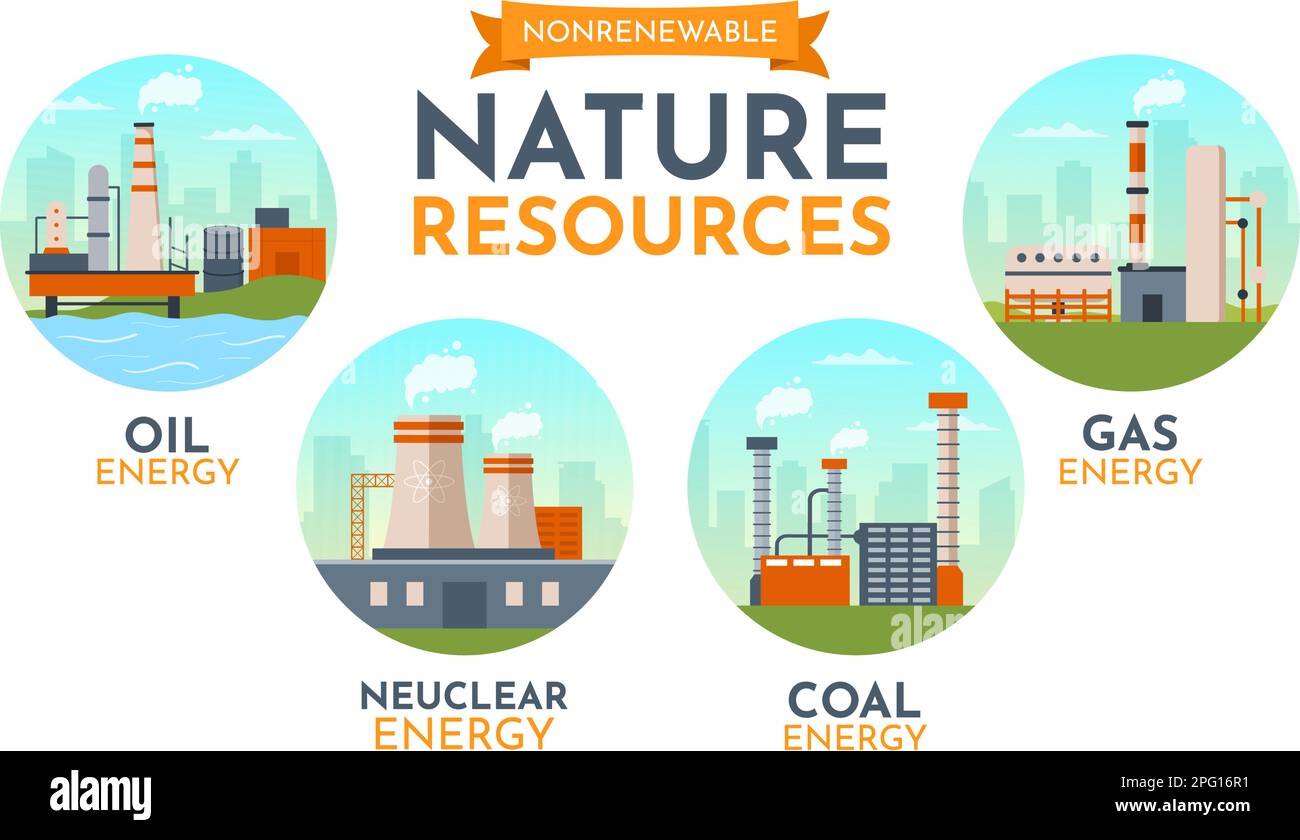
Can we really ditch fossil fuels and power our world with sunshine, wind, and water? The transition to clean energy is not just a dream; it's a necessity for a sustainable future. Shifting to clean energy sources such as solar, wind, and hydropower, alongside improvements in energy storage and grid infrastructure, is vital for a healthier planet and a thriving economy. This article explores the many pathways to How Can Clean Energy Replace Coal, Oil, and Natural Gas?, detailing the benefits, steps, and considerations involved in making this critical transition.
All About How Can Clean Energy Replace Coal, Oil, and Natural Gas?
How Can Clean Energy Replace Coal, Oil, and Natural Gas?It's a multifaceted challenge, but ultimately, the answer lies in a combination of technological advancements, policy changes, and a shift in societal mindset. Clean energy refers to energy sources that don't release pollutants or greenhouse gases into the atmosphere during operation. This includes solar power, wind power, hydropower, geothermal energy, and biomass. Their significance is profound: by replacing fossil fuels, we can dramatically reduce air pollution, mitigate climate change, and create a more sustainable energy system for future generations. The increasing accessibility and decreasing costs of renewable technologies are making the replacement of fossil fuels not only possible but also economically viable.
Historically, our reliance on fossil fuels stemmed from their abundance and relatively low cost. Coal powered the Industrial Revolution, and oil fueled the 20th century. However, the environmental consequences of burning these fuels became increasingly apparent. The emergence of solar and wind power in the late 20th and early 21st centuries offered a cleaner alternative, initially hampered by high costs and technological limitations. But continuous innovation, driven by concerns about climate change and government incentives, has led to significant improvements in efficiency and affordability. The development of better battery storage technologies, such as lithium-ion batteries, has also played a crucial role in addressing the intermittency of renewable sources, making them more reliable for grid integration.
What sets clean energy apart from fossil fuels is its environmental impact. Fossil fuels release carbon dioxide, a major greenhouse gas that contributes to global warming, as well as other pollutants that harm human health. Clean energy sources, on the other hand, produce little to no emissions during operation. For example, solar panels convert sunlight directly into electricity, while wind turbines harness the power of the wind. While the manufacturing of these technologies does involve some emissions, the overall lifecycle impact is significantly lower than that of fossil fuels. Furthermore, clean energy resources are virtually inexhaustible, offering a long-term solution to our energy needs.
Experts agree that a transition to clean energy is not only necessary but also achievable. The International Energy Agency (IEA) and other organizations have published reports outlining pathways to net-zero emissions by mid-century, emphasizing the importance of scaling up renewable energy, improving energy efficiency, and developing carbon capture technologies. "The era of fossil fuels is coming to an end, and the future belongs to clean energy," says Dr. Fatih Birol, the Executive Director of the IEA. "We have the technologies we need to build a sustainable energy system, and the cost of these technologies is falling rapidly."
Benefits of How Can Clean Energy Replace Coal, Oil, and Natural Gas? for Users
Replacing fossil fuels with clean energy offers a multitude of benefits. For individual users, switching to solar panels can lower electricity bills and increase energy independence. Businesses can reduce their carbon footprint, enhance their brand image, and attract environmentally conscious customers by adopting renewable energy solutions. On a broader scale, clean energy can improve air quality, reduce healthcare costs, and create new jobs in the renewable energy sector.
Real-life examples abound. In Germany, the Energiewende (energy transition) has led to a significant increase in renewable energy production, reducing the country's reliance on fossil fuels and creating thousands of green jobs. In California, ambitious renewable energy targets have driven innovation in solar and wind power, making the state a leader in clean energy technology. Even smaller communities are embracing clean energy, with towns and cities across the world investing in solar farms, wind turbines, and energy efficiency programs.
Compared to fossil fuels, clean energy offers several advantages. Unlike coal, oil, and natural gas, renewable energy sources are not subject to price fluctuations driven by global markets. This can provide greater energy security and stability, protecting consumers and businesses from volatile energy prices. Clean energy also reduces our dependence on foreign energy sources, enhancing national security. Furthermore, the environmental benefits of clean energy are undeniable. By reducing greenhouse gas emissions, we can mitigate the impacts of climate change, such as rising sea levels, extreme weather events, and disruptions to agriculture.
Research supports the benefits of clean energy. A study by the Lawrence Berkeley National Laboratory found that widespread adoption of renewable energy could significantly reduce air pollution, preventing thousands of premature deaths and saving billions of dollars in healthcare costs. Another study by the International Renewable Energy Agency (IRENA) concluded that the energy transition could create millions of new jobs worldwide, boosting economic growth and improving livelihoods. These findings underscore the vast potential of clean energy to create a healthier, more prosperous future for all.
How to Use How Can Clean Energy Replace Coal, Oil, and Natural Gas?
Replacing fossil fuels with clean energy requires a systemic approach, involving individuals, businesses, and governments. Here's a breakdown of the key steps:
1. Assessing Energy Needs and Consumption
The first step is to understand your current energy consumption patterns. Conduct an energy audit of your home or business to identify areas where you can reduce energy waste. This may involve improving insulation, upgrading to energy-efficient appliances, and switching to LED lighting. Analyze your energy bills to track your consumption over time and identify peak usage periods. This information will help you determine the size and type of renewable energy system that best meets your needs.
Best practices include using smart thermostats to automatically adjust temperature settings, sealing air leaks around windows and doors, and unplugging electronic devices when not in use. Optimization tips involve setting realistic energy-saving goals and tracking your progress to stay motivated.
2. Choosing the Right Clean Energy Solution
The next step is to select the appropriate clean energy solution based on your location, energy needs, and budget. Solar panels are a popular choice for homeowners and businesses, offering a clean and reliable source of electricity. Wind turbines can be a viable option in areas with consistent wind resources. Hydropower is suitable for locations with access to rivers or streams. Geothermal energy can be used for heating and cooling in areas with geothermal resources.
Common mistakes to avoid include choosing a system that is too small to meet your energy needs, failing to consider the long-term maintenance costs, and neglecting to research the reputation and experience of the installer.
3. Implementing and Maintaining the Clean Energy System
Once you've chosen your clean energy solution, it's time to implement it. This may involve installing solar panels on your roof, erecting a wind turbine on your property, or connecting to a community solar program. Ensure that the installation is done by a qualified and experienced professional. After the system is installed, it's important to maintain it properly to ensure optimal performance. This may involve cleaning solar panels, inspecting wind turbines, and monitoring the system's output.
Regular monitoring and maintenance are essential for maximizing the lifespan and efficiency of your clean energy system. Keep records of your system's performance and schedule regular maintenance checks. By following these steps, you can successfully replace fossil fuels with clean energy and contribute to a more sustainable future.
Tips Before Using How Can Clean Energy Replace Coal, Oil, and Natural Gas?
Before embarking on your clean energy journey, it's crucial to prepare and consider a few important factors.
First, research available incentives and rebates. Many governments and utilities offer financial incentives to encourage the adoption of clean energy. These incentives can significantly reduce the upfront cost of installing a renewable energy system. Second, obtain multiple quotes from different installers. Compare the prices, warranties, and experience of different installers to ensure that you're getting the best value for your money. Third, consider the environmental impact of the manufacturing process. While clean energy systems produce little to no emissions during operation, the manufacturing process can have some environmental impact. Choose products from companies that prioritize sustainability and use recycled materials.
Recommendations on what to avoid include making rushed decisions, ignoring expert advice, and neglecting to read the fine print of contracts. Possible consequences of ignoring these tips include paying too much for your system, experiencing performance issues, and damaging the environment.
Common Issues and Solutions Related to How Can Clean Energy Replace Coal, Oil, and Natural Gas?
Despite the many benefits of clean energy, there can be challenges. Intermittency of renewable sources like solar and wind can be a concern. Solutions involve combining different renewable energy sources, using energy storage technologies such as batteries, and developing a smarter grid that can balance supply and demand. Grid infrastructure limitations can also hinder the integration of renewable energy. Upgrading the grid to accommodate more renewable energy is essential. This may involve building new transmission lines, installing smart grid technologies, and improving grid management practices.
Practical solutions and troubleshooting steps include investing in backup power systems, participating in demand response programs, and advocating for policies that support grid modernization. By addressing these common issues, we can unlock the full potential of clean energy and create a more reliable and sustainable energy system.
Conclusion
The transition to clean energy is not merely an option but a necessity for a sustainable future. By embracing renewable energy sources like solar, wind, and hydropower, we can mitigate climate change, improve air quality, and create a healthier, more prosperous world.
Key takeaways include the importance of assessing energy needs, choosing the right clean energy solution, and implementing and maintaining the system properly. Final recommendations for optimal use involve staying informed about new technologies and policies, advocating for clean energy solutions, and sharing your success stories with others.
Let's work together to implement How Can Clean Energy Replace Coal, Oil, and Natural Gas?in our daily lives, making a difference for ourselves, our communities, and the planet. The future of energy is clean, and it's within our reach.
Posting Komentar untuk "How Can Clean Energy Replace Coal, Oil, and Natural Gas?"