
How Is Coal Made into Energy in Power Stations?
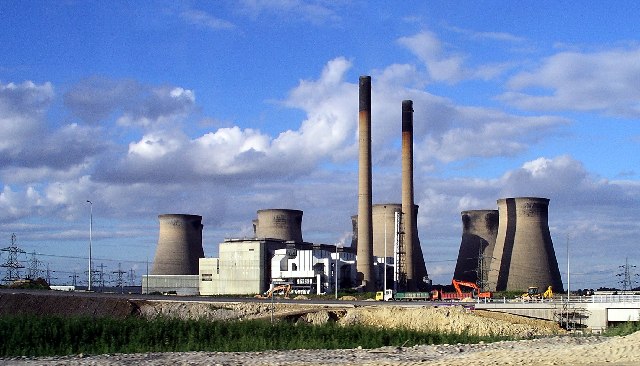
Ever wondered how something as ancient as coal transforms into the electricity that powers our modern lives? Understanding the journey of coal, from its fiery combustion to the light illuminating your screen, is crucial. This post explores how coal is harnessed in power stations to generate electricity, covering the processes involved and its impact on our energy landscape. From pulverizing the coal to spinning massive turbines, let's dive into the intricate steps ofcoal energy conversionand discover how this fossil fuel provides a significant, though controversial, portion of the world's power.
All About How Is Coal Made into Energy in Power Stations?
The process of transforming coal into usable energy is a fascinating, multi-stage operation that occurs within the walls of acoal-fired power station. In essence,coal-fired power generationhinges on burning coal to heat water, creating steam that drives turbines connected to generators, ultimately producing electricity. It's a relatively straightforward concept, but the details are what make it a complex and impactful process.
First, let's define exactly what we mean by “How Is Coal Made into Energy in Power Stations?” It's the process of burningpulverized coalto create heat, which is used to boil water, generating high-pressure steam. This steam is then directed towards asteam turbine, causing it to rotate at high speed. The turbine is connected to a generator, which converts the mechanical energy of the rotating turbine into electrical energy, ready to be transmitted to homes and businesses.
Coal-fired power plants have a long history. The first commercial electricity generating station, Pearl Street Station in New York City (1882), burned coal to power incandescent lamps. Over the years, the technology has been refined for greater efficiency and to address environmental concerns. Early plants were much less efficient and emitted significantly more pollutants. Innovations in boiler design,flue gas desulfurization, and particulate control have significantly improved the environmental performance of modern coal plants, though they still face criticism regardingcarbon emissions.
What sets coal-fired power generation apart is its reliance on a readily available and relatively inexpensive fuel source (in many regions). However, unlike renewable sources like solar or wind, coal is a finite resource and produces greenhouse gases. This has spurred the development of cleaner coal technologies, such ascarbon capture and storage (CCS), although the widespread adoption of CCS remains a challenge.
According to the World Coal Association, coal remains a significant part of the global energy mix, powering industries and homes worldwide. Experts acknowledge the need for a transition to cleaner energy sources but also recognize the continued importance of coal in certain regions, particularly developing nations where it remains a relatively affordable and accessible energy source.
Benefits of How Is Coal Made into Energy in Power Stations? for Users
For the end-user, the primary benefit of coal-fired power plants is reliable and relatively affordable electricity. They provide abase load power source, meaning they can consistently generate electricity regardless of weather conditions, unlike solar or wind which are intermittent. This reliability ensures a stable electricity grid, powering homes, businesses, and critical infrastructure.
Consider a large industrial facility. Its operations often require a constant and significant amount of electricity. Coal-fired power plants can provide thisconsistent energy supply, allowing the facility to operate without interruption. This reliability translates to economic stability and job security for the community supported by the facility.
While renewable energy sources are becoming increasingly important, they often require substantial upfront investments and may not always be suitable for all regions. Coal-fired power, in many areas, has a lower initial cost compared to building a new wind farm or solar array. However, thelong-term costs associated with coal, including environmental impact and health concerns, are increasingly being factored into the economic equation.
Compared to nuclear power, coal-fired plants generally have a shorter construction time and lower initial investment. However, they lack thelow-carbon footprintof nuclear. Alternative technologies like natural gas power plants offer lower emissions compared to coal, but gas prices can be volatile, affecting the cost of electricity. A study by the International Energy Agency (IEA) highlights that while coal use is declining in some regions, it remains significant in others, showcasing the complex interplay of factors that influence energy choices.
How to Use How Is Coal Made into Energy in Power Stations?
Coal-fired power plants are complex industrial facilities, and the “use” of the technology involves a series of intricate steps. It's more about understanding the process than a user directly interacting with it. Here's a simplified breakdown:
1. Coal Delivery and Preparation
The first step involves delivering coal to the power plant. This can be done via rail, truck, or barge. Once at the plant, the coal undergoes preparation, including crushing andpulverizing.
Best Practices: Efficient coal handling systems minimize dust and spillage. Pulverizing the coal increases its surface area, allowing for more efficient combustion.
2. Combustion and Steam Generation
Thepulverized coalis blown into the boiler where it's mixed with preheated air and ignited. The resulting combustion generates immense heat, which boils water in tubes lining the boiler walls, producinghigh-pressure steam.
Common Mistakes to Avoid: Incomplete combustion due to insufficient air supply can lead to reduced efficiency and increased emissions. Maintaining optimal air-fuel ratio is crucial.
3. Turbine Operation and Electricity Generation
The high-pressure steam is directed towards asteam turbine, causing it to rotate at high speed. The turbine is connected to a generator, which converts the mechanical energy of the rotating turbine into electrical energy. This electricity is then transmitted through the grid.
Continuing from step 3, after the turbine, the steam is cooled down and condensed back into water and is then returned to the boiler to repeat the cycle.
Common Mistakes to Avoid: Overheating the turbine can cause damage and reduce efficiency. Regular maintenance and monitoring are essential.
Optimization tips: Maintaining the turbine at the optimal temperature for efficient output
Tips Before Using How Is Coal Made into Energy in Power Stations?
While you're not directly "using" a coal-fired power station, understanding the preparation and maintenance that go into it is important. Preparation guidelines for the operation of coal-fired power plants are extremely detailed, encompassing various aspects from safety protocols to technical considerations.
Before starting a coal-fired power plant, a thorough risk assessment is necessary. This includes identifying potential hazards, such as fires, explosions, and equipment malfunctions, and implementing appropriate safety measures. Regular inspections and maintenance of all equipment, including boilers, turbines, and generators, are crucial. This helps identify potential problems early on and prevent costly breakdowns. Proper training for plant personnel is paramount. Employees need to be well-versed in operating procedures, safety protocols, and emergency response measures.
It's important to avoid neglecting safety protocols. A lapse in safety can have severe consequences. Disregarding maintenance schedules can lead to equipment failures and plant shutdowns.
Ignoring these tips can lead to serious consequences, including accidents, environmental damage, and loss of life. Maintaining a strong safety culture is paramount.
Common Issues and Solutions Related to How Is Coal Made into Energy in Power Stations?
Coal-fired power plants can face various operational challenges. Here are some common issues and their solutions: Slagging and Fouling:Ash accumulation on boiler tubes can reduce heat transfer and lead to reduced efficiency.
Solution: Implement soot blowing systems and optimize combustion parameters to minimize ash formation. Corrosion:The acidic environment within the boiler can lead to corrosion of metal components.
Solution: Use corrosion-resistant materials and implement chemical treatment programs to neutralize acids. Emissions:Coal-fired plants can emit pollutants such as sulfur dioxide, nitrogen oxides, and particulate matter.
Solution: Install pollution control equipment such asflue gas desulfurization (FGD)scrubbers, selective catalytic reduction (SCR) systems, and electrostatic precipitators (ESPs). Coal Supply Issues:Disruptions in coal supply can affect plant operations.
Solution: Diversify coal sources and maintain adequate coal stockpiles. Water Scarcity:Coal plants require significant amounts of water for cooling.
Solution: Implement water conservation measures such as using dry cooling systems.
Conclusion
Coal's transformation into energy within power stations is a complex yet critical process, powering much of the world. We've explored the journey ofcoal energy conversion, frompulverized coalto the spinning turbines generating electricity. While coal provides reliablebase load power, its environmental impact remains a concern.
Remember that understanding thebenefits of How Is Coal Made into Energy in Power Stations?and its impact allows for informed decisions regarding our energy future. As technology evolves, embracing innovation and striving for cleaner energy solutions is critical. While the steps in transforming coal to energy are many, the overall goal of providing a source of energy to users is the most important takeaway. Readers should explore the options for more sustainable energy solutions and support efforts towards a cleaner energy future.
Posting Komentar untuk "How Is Coal Made into Energy in Power Stations?"