
How Long Has Coal Been Used for Energy Globally?
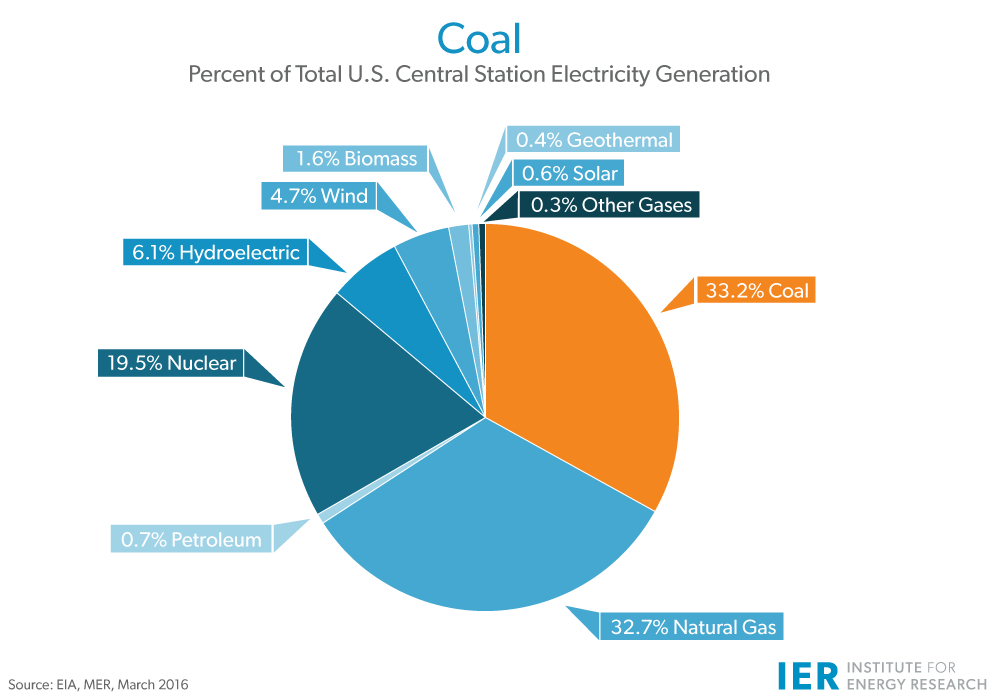
Have you ever wondered how far back we can trace our reliance on coal for energy? It's a surprisingly long history, stretching back centuries and playing a pivotal role in shaping the world we live in today. Understanding the timeline of coal usage reveals not only our technological advancements but also the evolving relationship between humanity and the environment. This article dives deep into the history of coal as an energy source, exploring its origins, global spread, benefits, and the challenges it presents in the modern era.
All About Coal's History as a Global Energy Source
When we talk about coal, we're not just referring to a black rock; we're talking about amajorhistorical player in energy production. But how longhascoal been used for energy globally? The answer stretches back surprisingly far. While its large-scale industrial application is relatively recent, humans have known about and used coal forthousands of years. Its significance lies in its abundance and relatively high energy content compared to other early fuel sources like wood. This made it a valuable resource, particularly as populations grew and energy demands increased.
The earliest documented use of coal can be traced back toancient China, around 4000 BC. The Chinese used coal for heating, cooking, and even smelting metals. Evidence of coal use also exists in Roman Britainas early as the 2nd century AD. However, these early applications were localized and didn't represent a significant global trend. The widespread adoption of coal as a primary energy source would come much later, driven by a specific need.
Key Developments in Coal Usage
Thereal turning pointfor coal came with the Industrial Revolutionin the 18th and 19th centuries. This period saw an explosion of technological innovation, particularly in Great Britain, where the invention of the steam engine by Thomas Newcomen and later James Watt, drastically increased the demand for a cheap and readily available fuel. Coal perfectly fit the bill. The readily available, consistent source of energy helped fuel machinery, power factories, and drive transportation (steam engines and coal-powered ships). This revolutionized industries like textiles, mining, and manufacturing.
The Industrial Revolution quickly spread from Britain to other parts of Europe and North America, bringing coal with it.Coal mining became a major industry, employing millions of people and transforming landscapes. New technologies like improved mining techniques and more efficient steam engines further increased the demand for and availability of coal. During this period, coal became the dominant energy source globally, surpassing wood and water power.
Differentiating Coal from Other Energy Sources
What made coal so special compared to other energy sources available at the time?Firstly, its high energy density meant that it provided more heat and power per unit of weight than wood.Secondly, coal deposits were often more readily accessible and abundant than other resources like oil (which was not yet widely exploited).Thirdly, the technology for using coal, particularly the steam engine, was relatively simple and well-understood.
However, it is important to acknowledge that while coal offered significant advantages, it also came with drawbacks. Early coal mining practices were notoriously dangerous, and the burning of coal released significant amounts of pollution into the air, contributing to respiratory problems and environmental degradation. This pollution was largely ignored in the initial phases of the industrial revolution, and understanding its long term effects was not well understood at that time.
Expert Insight
"Coal's impact on the modern world is undeniable," says Dr. Emily Carter, a professor of energy policy at Princeton University. "It fueled the Industrial Revolution and enabled unprecedented economic growth. However, we must acknowledge the environmental consequences of its continued use and transition towards cleaner energy sources." Dr. Carter's statement highlights thedouble-edged sword of coal– its vital historical role in powering progress, contrasted with its present-day environmental challenges.
Benefits of Coal for Early Users
The adoption of coal brought transformative benefits to societies during its rise to prominence.Improved productivity and economic growthwere probably the most noticeable effects. Factories powered by coal could produce goods at a far greater rate than those reliant on water or animal power. This led to lower prices, increased consumption, and a rising standard of living for many.
Transportation was also revolutionized by coal.Steam locomotives allowed for faster and more efficient movement of goods and people across vast distances, facilitating trade and connecting communities. Coal-powered ships, similarly, transformed global trade, enabling faster and more reliable voyages across oceans.
Here’s a more in-depth look at some benefits:
Real-life examples of coal's transformative power
Think about the textile industry in 19th-century England. Coal-powered looms revolutionized cloth production, making textiles more affordable and accessible. This contributed to the growth of a massive industry that employed large portions of the population. Or consider the expansion of railroads in the United States. Coal-powered locomotives opened up the American West, connecting distant regions and enabling the transportation of goods and resources across the continent.
Comparison with Alternative Technologies
Before coal, societies were largely dependent onrenewable resourceslike wood, water, and wind. However, these resources had limitations. Wood was subject to deforestation and could be difficult to transport. Water power was limited by geography and seasonal variations. Wind power was inconsistent and unreliable. Coal offered a more consistent, reliable, and readily available source of energy, at least in the short term. This made it a more attractive option for fueling industrial growth.
How Coal Fueled Industry
While we no longer advise to use coal, here is a simplified explanation of the coal fuel process:
1. Extraction and Transportation
Thefirst stepin using coal for energy is its extraction from the earth. This is accomplished through various mining techniques, including surface mining (where coal seams are close to the surface) and underground mining (where coal seams are located deep below the surface). After extraction, the coal is transported to power plants or industrial facilities via trains, trucks, or ships. Best practices include minimizing dust emissions during transportation and ensuring that mining operations are conducted in an environmentally responsible manner.
2. Combustion and Steam Generation
Thesecond stepinvolves burning the coal in a furnace to generate heat. This heat is used to boil water, producing steam. The steam is then channeled to a turbine, where its pressure drives the turbine blades, causing it to rotate. Common mistakes in this step include incomplete combustion of the coal, which leads to the release of harmful pollutants. Optimizing combustion processes through proper airflow and temperature control is crucial for minimizing emissions.
3. Electricity Generation and Distribution
Thethird stepsees the rotating turbine connected to a generator, which converts the mechanical energy into electrical energy. This electricity is then transmitted through a network of power lines to homes, businesses, and industrial facilities. To follow this stage, it's critical to maintain the distribution network to prevent energy loss and maintain efficient operation.
Tips Before Coal Usage
Here are some tips to be aware of before considering coal usage:
Preparation Guidelines
Ensure a comprehensive environmental impact assessment is conducted before commencing any coal mining or combustion activities.This assessment should identify potential environmental risks and propose mitigation strategies. It is vital to secure all necessary permits and approvals from regulatory agencies before proceeding. Also, implement proper safety protocols and training programs for all workers involved in coal-related activities.
What to Avoid
Avoid using outdated or inefficient coal combustion technologies.These technologies tend to release higher levels of pollutants. Refrain from storing coal in open piles without proper dust control measures. This can lead to dust emissions that can affect air quality. Also, avoid disposing of coal ash improperly, as it can contaminate soil and water resources.
Possible Consequences
Ignoring these tips can have severe consequences, includingenvironmental damage, public health risks, and regulatory penalties. Uncontrolled dust emissions can lead to respiratory problems, while improper coal ash disposal can contaminate groundwater. Failure to comply with environmental regulations can result in fines, legal action, and reputational damage.
Common Issues and Solutions
Users may face several issues, including: Air Pollution: Coal combustion releases pollutants such as sulfur dioxide (SO2), nitrogen oxides (NOx), and particulate matter (PM), which can contribute to respiratory problems and acid rain. Solutions include installing scrubbers and filters in power plants to remove these pollutants from exhaust gases. Water Pollution: Coal mining can contaminate water resources with heavy metals and other pollutants. Solutions include implementing proper wastewater treatment systems and rehabilitating mined lands to prevent acid mine drainage. Climate Change:Coal combustion releases large amounts of carbon dioxide (CO2), a major greenhouse gas that contributes to climate change. Solutions include transitioning to cleaner energy sources like renewable energy and implementing carbon capture and storage technologies.
Conclusion
Coal has played a crucial role in shaping the modern world, driving the Industrial Revolution and enabling unprecedented economic growth. However, its continued use poses significant environmental challenges, including air and water pollution and climate change. While coal remains an important energy source in many parts of the world, there is a growing need to transition towards cleaner, more sustainable energy sources.
Understanding coal's history, benefits, and drawbacks is crucial for making informed decisions about energy policy and promoting a more sustainable future. By embracing cleaner energy technologies and implementing responsible environmental practices, we can mitigate the negative impacts of coal and create a healthier planet for future generations. As humanity moves forward, it's essential to recognize coal's legacy while charting a course towards a more sustainable energy future.
Posting Komentar untuk "How Long Has Coal Been Used for Energy Globally?"