
How Is Coal an Energy Source in the US?
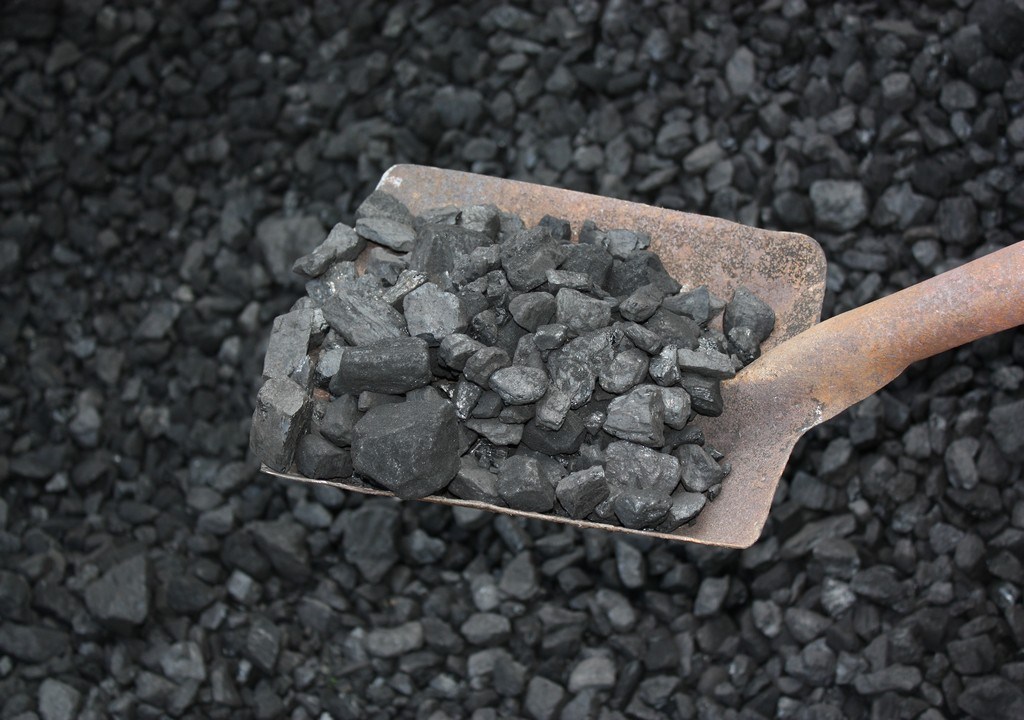
Is coal still a relevant energy source in the United States? Absolutely. It's a power player, though its role is evolving. This article delves into how coal serves as an energy source in the US, exploring its journey from extraction to electricity generation. We'll cover everything from its historical significance to its current usage, along with the benefits and challenges it presents. Understanding coal's impact is crucial for grasping the complexities of the US energy landscape and planning for a sustainable future.
How Is Coal an Energy Source in the US?
Coal, a sedimentary rock formed from accumulated plant matter subjected to immense pressure and heat over millions of years, serves as a fundamental energy source in the US primarily throughelectricity generation. Its significance lies in its relative abundance and established infrastructure. Coal deposits are distributed across the country, making it a domestically accessible resource. Coal's contribution to the US energy mix has historically been substantial, though its share has been decreasing in recent years due to environmental concerns and the rise of alternative energy sources. However, understanding the process of how coal generates electricity remains important.
The process begins withcoal mining, where it's extracted from the earth through various methods, including surface mining (strip mining) and underground mining. Once mined, the coal is transported, often by rail, to power plants. At the power plant, the coal is pulverized into a fine powder and then burned in a large furnace. The heat from this combustion boils water, creating high-pressure steam. This steam then drives a turbine, which is connected to a generator. The generator converts the mechanical energy of the rotating turbine into electrical energy. Finally, this electricity is transmitted through the power grid to homes and businesses. The energy released from burning coal comes from the stored chemical energy formed during the ancient plant's growth through photosynthesis. The entire process leverages the chemical energy locked within coal to ultimately power our modern lives.
Benefits of Coal for Energy in the US
While coal usage is under scrutiny for its environmental impact, it does offer some benefits. Historically, one of the primary advantages of coal is itsaffordabilityandreliability. Compared to some renewable energy sources, coal has traditionally been a cheaper fuel source, which helped keep electricity prices down. Its reliability stems from the fact that coal-fired power plants can operate continuously, 24/7, regardless of weather conditions, providing a stable baseload power supply.
Another benefit lies in the existinginfrastructurealready in place. The US has a well-established network of coal mines, transportation systems, and power plants. This infrastructure represents a significant investment and facilitates the continued use of coal, even as alternative energy sources gain traction. Furthermore, the US has substantialcoal reserves, ensuring a domestic supply for many years to come.
However, it's crucial to acknowledge the drawbacks. The environmental costs associated with coal, including air pollution, greenhouse gas emissions, and habitat destruction, are significant. The focus is shifting towards cleaner energy solutions, but acknowledging coal’s past role and some lingering, albeit diminishing, benefits is crucial for understanding the full scope of the US energy sector.
How to Use Coal for Energy in the US
While individuals don't directly "use" coal in the way they use solar panels or wind turbines, understanding how it's utilized on a larger scale provides valuable context.
1. Coal Mining and Processing
The initial step involvesextractingthe coal from the earth. This can occur through surface mining, where overburden (soil and rock) is removed to access coal seams near the surface, or through underground mining, which involves tunneling deep into the earth to reach coal deposits. After extraction, the coal undergoes processing, which may involve crushing, washing, and sizing to remove impurities and improve its energy content.
2. Transportation to Power Plants
Once processed, the coal needs to betransportedto power plants. This is typically done via rail, barge, or truck. Rail is the most common method for long-distance transport, as it can move large quantities of coal efficiently. The transportation network is a critical component of the coal supply chain, ensuring a steady flow of fuel to power plants.
3. Electricity Generation at Power Plants
At the power plant, the coal isburnedin a boiler to heat water and produce steam. This high-pressure steam drives a turbine, which is connected to a generator. The generator converts the mechanical energy of the turbine into electrical energy. The electricity is then transmitted through the power grid to homes, businesses, and industries.
Tips Before Using Coal (Indirectly)
It's impossible to "use" coal directly in a household setting. However, understanding the implications of electricity consumption, especially in regions heavily reliant on coal-fired power plants, is essential. One crucial tip is toconserve energy. By reducing electricity consumption, you can indirectly lessen the demand for coal-generated power. This can be achieved through simple measures like turning off lights when leaving a room, using energy-efficient appliances, and insulating your home properly.
Another important step is tosupport policies that promote cleaner energy sources. This includes advocating for investments in renewable energy technologies, such as solar and wind power, and supporting regulations that limit emissions from coal-fired power plants. By promoting cleaner alternatives, you can help accelerate the transition away from coal and towards a more sustainable energy future.
Finally,be mindful of your carbon footprint. Understanding the environmental impact of your electricity consumption and taking steps to reduce it can make a significant difference. Consider offsetting your carbon emissions by investing in projects that reduce greenhouse gas emissions, such as reforestation or renewable energy initiatives.
Common Issues and Solutions Related to Coal
Coal-fired power plants face several challenges, includingair pollution, water pollution, andcarbon emissions. Air pollution can be mitigated through the use of scrubbers and other technologies that remove pollutants like sulfur dioxide and nitrogen oxides from the flue gas. Water pollution can be addressed by treating wastewater from coal mining and power plants to remove heavy metals and other contaminants.
Carbon emissions are a more complex issue, but several solutions are being explored, includingcarbon capture and storage(CCS) technologies. CCS involves capturing carbon dioxide emissions from power plants and storing them underground, preventing them from entering the atmosphere. While CCS is still in the early stages of development, it has the potential to significantly reduce carbon emissions from coal-fired power plants. Another alternative isco-firingbiomass (organic matter, like wood chips) along with coal, which reduces the overall carbon intensity of the fuel mix.
Moreover, the transition away from coal presentseconomic challengesfor coal-dependent communities. Retraining programs and economic diversification initiatives are needed to help these communities transition to new industries and employment opportunities. Investing in renewable energy projects in coal-affected regions can also create new jobs and stimulate economic growth.
Conclusion
Coal has played a significant role in the US energy landscape, providing a reliable and affordable source of electricity for many years. However, the environmental costs associated with coal are undeniable, and the nation is moving toward cleaner and more sustainable energy sources. While coal's share of the energy mix is declining, it remains an important part of the picture, particularly in certain regions of the country.
Understanding how coal is used as an energy source, as well as the benefits and challenges it presents, is crucial for making informed decisions about energy policy and individual consumption. By conserving energy, supporting cleaner energy alternatives, and advocating for policies that promote sustainability, we can collectively work towards a future where energy is both affordable and environmentally responsible. The future of US energy is likely to be a diverse mix, and understanding coal’s past and current role is key to navigating that future effectively.
Posting Komentar untuk "How Is Coal an Energy Source in the US?"