
How Much Energy Is Produced by Coal in the US Market?
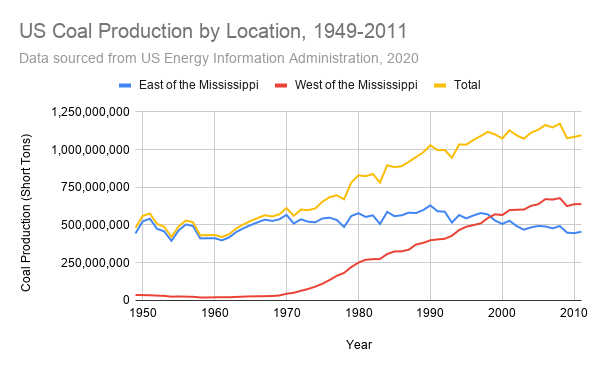
Is coal still a significant player in powering America? The answer might surprise you. Understanding justhow muchenergy the United States derives from coal is crucial for grasping the complexities of our energy landscape, from its impact on carbon emissions to its role in ensuring grid reliability. Let's delve into the specifics of coal's energy contribution in the US market, exploring its historical trajectory, current status, and future prospects. This article examines the proportion of electricity generated from coal, highlighting its benefits and comparing it to other energy sources.
All About How Much Energy Is Produced by Coal in the US Market?
Coal, a combustible black or brownish-black sedimentary rock composed mostly of carbon, has been a cornerstone of energy production in the United States for over a century. Its significance stems from its relative abundance and historically low cost compared to other energy sources. Buthow muchenergy are weactuallytalking about? Defining the US coal energy market involves understanding its role in electricity generation, industrial processes (like steel manufacturing), and, to a lesser extent now, residential heating. While its prominence has diminished in recent years, coal remains a noteworthy component of the energy mix, especially in certain regions. The US Energy Information Administration (EIA) tracks the production, consumption, and contribution of coal to the overall energy supply. Coal's importance lies in its baseload power capability - its ability to provide a consistent and reliable energy supply, independent of weather conditions or time of day.
The historical background of coal in the US energy market is a story of boom and bust. The late 19th and early 20th centuries saw rapid expansion in coal mining and consumption, driven by industrialization and the electrification of the nation. Coal fueled factories, railroads, and homes. However, starting in the mid-20th century, other energy sources, such as natural gas and nuclear power, began to compete with coal. More recently, the rise of renewable energy sources like solar and wind has further challenged coal's dominance. Despite these challenges, coal remained a major source of electricity until the last decade or so. Key developments include the Clean Air Act amendments, which led to investments in cleaner coal technologies, and the shale gas revolution, which made natural gas a much cheaper alternative for electricity generation. The decline in coal production and consumption has been significant, as older coal-fired power plants have been retired and replaced with plants powered by natural gas or renewable energy.
What differentiates coal from other energy sources? Its readily available supply and established infrastructure are major factors. Unlike natural gas, which requires pipelines, or uranium, which necessitates specialized nuclear reactors, coal can be easily transported by rail or barge. The US also possesses vast reserves of coal, ensuring a relatively secure domestic supply. Furthermore, advanced coal technologies, such as carbon capture and storage (CCS), aim to reduce the environmental impact of coal-fired power plants. However, coal's primary disadvantage lies in its higher carbon emissions compared to natural gas and renewable energy sources. The environmental concerns associated with coal combustion have driven policy changes and investments in cleaner energy alternatives. Despite the development of technologies to mitigate these environmental impacts, public perception of coal remains largely negative.
Experts, like those at the EIA and various energy research institutions, provide valuable insights into the future of coal. Many predict a continued decline in coal's share of the energy market, driven by economic factors and environmental regulations. However, some argue that coal will continue to play a role in ensuring grid stability, particularly as renewable energy sources become more prevalent. They emphasize the need for continued investment in CCS and other clean coal technologies to reduce emissions and maintain a diversified energy portfolio. According to a recent report by the National Academies of Sciences, Engineering, and Medicine, "advanced technologies like carbon capture could enable the continued use of coal with reduced environmental impact, but significant investments are needed to scale up these technologies."
Benefits of How Much Energy Is Produced by Coal in the US Market for Users
Coal offers several benefits to energy users, primarily related to its reliability and affordability. Coal-fired power plants can operate continuously, providing a stable baseload supply of electricity that is not dependent on weather conditions or other intermittent factors. This reliability is particularly important for maintaining grid stability and preventing power outages. In many regions, coal has historically been a relatively inexpensive energy source, helping to keep electricity prices affordable for consumers and businesses.
For example, in states like West Virginia and Wyoming, where coal mining is a major industry, the availability of locally sourced coal has historically contributed to lower electricity prices. However, the price advantage of coal has diminished in recent years due to the decline in natural gas prices and the increasing competitiveness of renewable energy sources. Real-life examples of coal's impact can be seen in industrial processes like steel manufacturing, where coal is used as a key ingredient in the production of coke, a fuel used in blast furnaces. The availability of affordable coal has been a major factor in the competitiveness of the US steel industry.
When compared to other energy sources, coal offers a unique combination of reliability and affordability, at least historically. Natural gas is also a relatively reliable energy source, but its price can be more volatile than coal. Nuclear power is another reliable baseload energy source, but it is associated with higher upfront costs and concerns about nuclear waste disposal. Renewable energy sources like solar and wind are becoming increasingly competitive in terms of price, but they are intermittent and require energy storage solutions to provide a reliable supply of electricity. Data from the EIA shows that the levelized cost of electricity (LCOE) for coal-fired power plants has increased in recent years, while the LCOE for renewable energy sources has decreased. This trend suggests that renewable energy sources will continue to gain market share at the expense of coal.
How to Use How Much Energy Is Produced by Coal in the US Market?
While you can't directly "use" theamountof energy produced by coal, understanding its role informs decisions about energy consumption and policy. Think of it this way: you're participating in a market, and understanding coal's position helps you make informed choices about your own energy footprint.
1. Understanding Your Energy Source
First, find out whereyourelectricity comes from. Many utilities offer information on their energy mix, specifying the percentage of power generated from coal, natural gas, nuclear, and renewables. Knowing this allows you to understand your contribution to coal consumption. Best practices include checking your utility's website or contacting their customer service department for detailed information. Optimization tip: If your utility relies heavily on coal, consider advocating for increased renewable energy investments or participating in community solar programs.
2. Reducing Energy Consumption
Next, focus on reducing your overall energy consumption. This indirectly reduces the demand for electricity generated from all sources, including coal. Simple steps like switching to LED lighting, using energy-efficient appliances, and properly insulating your home can significantly reduce your energy footprint. Common mistakes to avoid include leaving electronics plugged in when not in use and neglecting to seal air leaks around windows and doors.
3. Supporting Renewable Energy Initiatives
Finally, actively support renewable energy initiatives. This could involve investing in solar panels for your home, purchasing renewable energy credits (RECs), or advocating for policies that promote renewable energy development. Ensure that your investments are sustainable and ethical.
Tips Before Considering How Much Energy Is Produced by Coal in the US Market?
Before making any decisions about energy consumption or advocating for policy changes, consider these preparation guidelines.
First, research the environmental impacts of coal combustion. Understand the health risks associated with air pollution from coal-fired power plants and the climate change implications of carbon emissions. Second, assess your financial situation before investing in renewable energy technologies. Solar panels and other renewable energy systems can be expensive, so it's important to determine if they are a financially viable option for you. Third, understand your local and state energy policies. Familiarize yourself with any incentives or regulations that may affect your energy consumption choices.
Recommendations on what to avoid include making decisions based on incomplete or biased information. Rely on credible sources like the EIA, the EPA, and peer-reviewed scientific studies. Another thing to avoid is assuming that all renewable energy is equally environmentally friendly. Some renewable energy projects can have negative environmental impacts, so it's important to do your research and choose options that are truly sustainable.
The possible consequences of ignoring these tips include making uninformed decisions that could have negative environmental or financial impacts. For example, investing in solar panels without properly assessing your energy needs could result in a system that is too large or too small, leading to wasted energy and money.
Common Issues and Solutions Related to How Much Energy Is Produced by Coal in the US Market?
Potential problems users might face include misinformation about the role of coal in the energy market, difficulty in understanding complex energy policies, and challenges in accessing affordable renewable energy options.
Practical solutions include seeking out reliable sources of information, such as the EIA and the EPA, to learn about the current state of the coal industry and its impact on the environment. Many organizations offer educational resources and workshops on energy policy and renewable energy technologies. You can also contact your local and state government representatives to express your concerns and advocate for policies that promote sustainable energy solutions.
Troubleshooting steps include contacting your utility company to inquire about renewable energy options and incentives. Many utilities offer renewable energy programs that allow customers to purchase electricity from renewable sources or to install solar panels on their homes. You can also research and compare different renewable energy providers to find the best option for your needs. If you are facing financial challenges, you may be eligible for government assistance programs that can help you pay for energy-efficient upgrades or renewable energy systems.
Conclusion
The amount of energy produced by coal in the US market is a crucial indicator of our nation's energy landscape, reflecting both historical reliance and a shifting future. While coal remains a significant player, its role is diminishing as renewable energy sources become more competitive and environmental concerns grow. Key takeaways include coal's baseload power capability, its environmental impact, and the need for continued investment in clean coal technologies and renewable energy alternatives.
For optimal use, energy consumers should understand their energy source, reduce their overall energy consumption, and actively support renewable energy initiatives. Final recommendations include staying informed about the latest developments in the energy market, advocating for policies that promote sustainable energy solutions, and making informed choices about your energy consumption habits.
Implementing these recommendations can help individuals and communities reduce their carbon footprint, promote a cleaner environment, and contribute to a more sustainable energy future. By understanding the role of coal in the US energy market, we can make informed decisions that benefit both the environment and the economy.
Posting Komentar untuk "How Much Energy Is Produced by Coal in the US Market?"