
Is Coal Renewable Energy According to Experts?
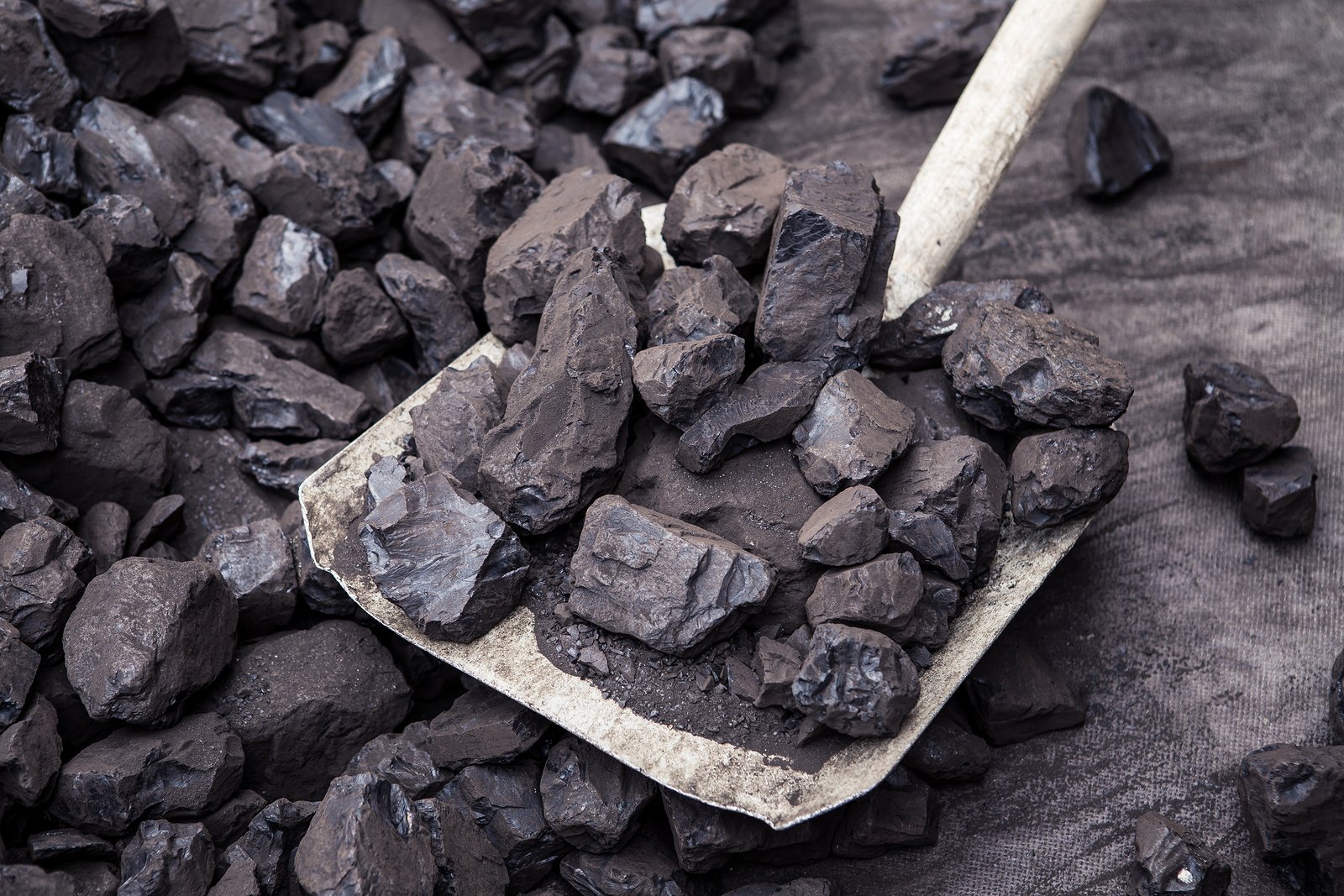
Is coal a contender in the race for renewable energy? The answer might surprise you, as understanding the nuances of energy sources is crucial in today's world. Examining coal's classification through the lens of expert opinions is essential for informed discussions about sustainable energy and environmental policies, clarifying why, despite its abundance, coal is generally not considered a renewable energy source. This article will explore the expert consensus on whether coal qualifies as renewable energy and the reasons behind this classification.
All About Coal: Renewable or Not?
The question of whether coal is a renewable energy source often sparks debate. The simple answer, according to experts across the fields of environmental science, energy policy, and geology, is a resoundingno. Coal is afossil fuel, formed over millions of years from the remains of ancient plant matter subjected to immense heat and pressure deep within the Earth. This process is far too slow to consider coal a resource that can be replenished within a human timescale, which is a core characteristic of renewable energy.
Renewable energy sources, such as solar, wind, hydro, and geothermal, are derived from processes that are continuously replenished or are virtually inexhaustible. The sun shines daily, wind patterns constantly shift, water flows, and the Earth's core generates heat. Coal, on the other hand, is a finite resource; once it's extracted and burned, it's gone.
Historically, coal played a significant role in powering the Industrial Revolution and continues to be a major source of electricity generation in many countries. However, its contribution comes at a significant environmental cost. The combustion of coal releases large quantities of carbon dioxide (CO2), a primary greenhouse gas, contributing to climate change. Additionally, coal mining can cause habitat destruction, soil erosion, and water pollution.
The defining feature that sets coal apart from renewable resources is its*replenishment rate. Renewable resources are, by definition, renewable within a relatively short timeframe, whereas coal requires geological epochs to form. Experts like those at the Intergovernmental Panel on Climate Change (IPCC) and the International Energy Agency (IEA) consistently categorize coal as a non-renewable resource due to this fundamental difference. While technological advancements like carbon capture and storage (CCS) aim to mitigate the environmental impact of coal, these technologies do not alter the fact that coal itself is a finite and non-renewable resource.
Benefits of Renewable Energy Alternatives for Users
While coal might be an established energy source, the benefits of transitioning to renewable energy alternatives for individual users and the environment are undeniable. Renewable energy sources like solar and wind power offer several advantages over coal, including reduced greenhouse gas emissions, improved air quality, and long-term energy security.
For individual homeowners, installing solar panels can significantly reduce electricity bills and even generate income by selling excess energy back to the grid. This provides a measure of energy independence and protects against fluctuating fossil fuel prices. Wind energy, while typically implemented on a larger scale, also contributes to a cleaner energy mix and reduces reliance on traditional power plants.
From an environmental perspective, renewable energy sources produce significantly less pollution than coal-fired power plants. Burning coal releases harmful pollutants such as sulfur dioxide (SO2), nitrogen oxides (NOx), and particulate matter, which contribute to respiratory problems and other health issues. Renewable energy sources, on the other hand, generate electricity with minimal air pollution.
Comparing coal to renewable energy sources highlights the economic and environmental advantages of the latter. While the initial investment in renewable energy technologies can be higher, the long-term operational costs are typically lower due to the absence of fuel costs. Moreover, the environmental costs associated with coal, such as air pollution and climate change, are substantial and often not fully reflected in the price of electricity. Research consistently shows that the societal benefits of transitioning to renewable energy outweigh the costs, especially when considering the long-term impacts of climate change. Data from organizations like the World Resources Institute (WRI) support this conclusion, demonstrating the growing cost-effectiveness of renewable energy compared to fossil fuels.
Understanding and Misconceptions
The confusion surrounding coal's classification sometimes arises from misunderstandings about the definition of renewable.Some may argue that because the Earth continues to produce plant matter, which could theoretically eventually turn into coal, it's renewable. However, this perspective ignores the timescale involved. The process of coal formation takes millions of years, rendering it non-renewable from a practical human perspective.
Common Issues and Solutions
While coal itself is not renewable, there are ongoing efforts to make its use more sustainable. Carbon capture and storage (CCS) technologies aim to capture CO2 emissions from coal-fired power plants and store them underground, preventing them from entering the atmosphere. However, CCS technology is still under development and faces challenges related to cost and efficiency. Moreover, even with CCS, coal mining continues to have significant environmental impacts.
Another potential issue is the impact of switching from coal to other energy sources on jobs and local economies that depend on coal mining. It's vital to transition to renewable energy in a way that supports coal workers and communities through job training, economic diversification, and other measures.
Conclusion
In conclusion, according to the expert consensus from environmental scientists, energy policy specialists, and geological experts, coal is not a renewable energy source. Its finite nature and the extremely slow pace of its formation distinguish it from truly renewable sources like solar, wind, and hydro power. While technological advancements like carbon capture offer potential ways to mitigate the environmental impact of coal, they do not alter its fundamental classification as a non-renewable fossil fuel. Understanding this distinction is crucial for making informed decisions about energy policy and promoting a sustainable energy future. Moving forward, embracing renewable energy technologies offers a cleaner, more secure, and ultimately more sustainable path toward meeting our energy needs. Let's all encourage the development and implementation of these technologies for a healthier planet.
Posting Komentar untuk "Is Coal Renewable Energy According to Experts?"