
Is Coal a Renewable Energy Source or Not?
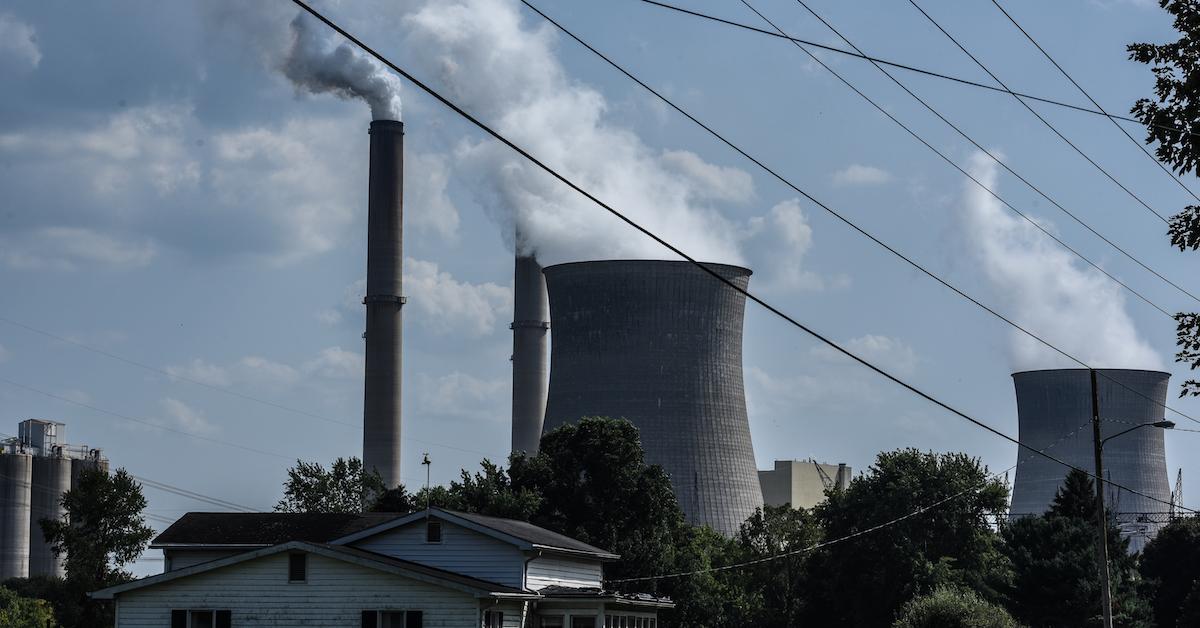
Is the energy powering our world today setting us up for a sustainable future? Or are we relying on resources that are slowly but surely depleting? A crucial piece of this puzzle is understanding whether coal, a resource used for generating electricity and industrial processes, is renewable. Exploring the nature of coal, its formation, and its environmental impact is essential for making informed decisions about our energy future. This article delves into the classification of coal, exploring its origins, usage, and long-term effects to determine if it qualifies as a renewable resource.
All About Coal: Renewable or Not?
The burning question: is coal a renewable energy source? The straightforward answer is a resoundingno. Coal is classified as anon-renewableenergy source. This means that it is a finite resource that cannot be replenished at a rate comparable to its consumption. To truly understand why it's non-renewable, we need to delve into its formation.
Coal is formed over millions of years through a process calledcoalification. This process begins with the accumulation of plant matter in swampy environments. Over time, layers of sediment bury this organic material, subjecting it to increasing pressure and heat. This pressure and heat transform the plant matter, first into peat, then into lignite (brown coal), then into bituminous coal, and finally into anthracite (the highest grade of coal). Each stage represents a greater concentration of carbon and a higher energy content. The immense timescale involved – tens to hundreds of millions of years – is the key reason why coal is considered non-renewable. We simply cannot create coal quickly enough to replace what we are using.
Unlike solar energy, wind energy, or hydropower, which are constantly replenished by natural processes, coal is a finite resource. The Earth's coal reserves, while substantial, are limited, and once they are depleted, they are essentially gone. The geological processes that created coal are so slow that, on a human timescale, coal is considered a non-renewable fossil fuel, just like oil and natural gas.
The United States Geological Survey (USGS) is a key source for information on coal resources, production, and consumption. Their publications provide valuable data for assessing the availability and sustainability of coal as an energy source.
Benefits of Not Considering Coal Renewable
While using coal presents several challenges, particularly from an environmental perspective, there are some benefits to correctly classifying it as non-renewable. Recognizing that coal is a finite resource helps drive innovation and investment in truly renewable energy sources, such as solar, wind, and geothermal. This classification also encourages the development of more efficient coal-burning technologies and carbon capture methods, although the latter is still in its early stages of widespread implementation.
Furthermore, acknowledging the finite nature of coal promotes responsible resource management. This can include strategies like optimizing coal extraction processes, reducing waste, and prioritizing the use of higher-grade coal for applications where it is most efficient. Importantly, it also fosters a greater awareness of the environmental impacts of coal mining and combustion, leading to stricter regulations and a greater focus on mitigating these impacts. The classification highlights the importance of transitioning away from coal dependency to ensure energy security in the long term.
Many experts advocate for a rapid transition to renewable energy sources to mitigate the negative effects of coal. Organizations like the International Renewable Energy Agency (IRENA) promote the adoption of renewable energy technologies globally.
How Does Coal Compare to Other Fuels?
Fossil Fuels
Coal's classification as a non-renewable resource aligns it with otherfossil fuelslike oil and natural gas. All three are formed from the remains of ancient organisms over millions of years. This shared origin means they all suffer from the same fundamental limitation: their finite supply. Burning these fuels releases energy stored within their chemical bonds, but it also releases greenhouse gases, primarily carbon dioxide, which contributes to climate change. Coal is the most carbon-intensive fossil fuel, meaning it releases more carbon dioxide per unit of energy generated compared to oil or natural gas.
Nuclear Fuels
Nuclear fuels, like uranium, are also non-renewable resources. While uranium is relatively abundant in the Earth's crust, it is not replenished at a rate that matches its consumption. Nuclear power plants utilize nuclear fission, a process that splits atoms to release energy. Nuclear power is often touted as a low-carbon energy source because it does not directly emit greenhouse gases during electricity generation. However, the mining and processing of uranium, as well as the disposal of nuclear waste, do have environmental implications.
Renewable Energy Sources
In stark contrast to fossil and nuclear fuels,renewable energy sourcesare naturally replenished. These include solar, wind, hydro, geothermal, and biomass. Solar energy harnesses the power of the sun through photovoltaic cells, converting sunlight into electricity. Wind energy uses wind turbines to capture the kinetic energy of the wind and convert it into electricity. Hydropower utilizes the energy of flowing water to turn turbines and generate electricity. Geothermal energy taps into the Earth's internal heat to produce steam or hot water, which can then be used to generate electricity or for direct heating. Biomass energy involves burning organic matter, such as wood or crops, to produce heat or electricity.
Tips on reducing coal reliance
Since coal isn't a renewable energy source, it is best to find alternatives and reduce our reliance on it.
1. Energy Efficiency
Reducing energy consumption through energy-efficient practices is the first and perhaps most crucial step. This includes using energy-efficient appliances, improving insulation in homes and buildings, and adopting energy-saving habits like turning off lights when leaving a room.
2. Transition to Renewable Energy
Embracing renewable energy sources like solar, wind, and hydropower is vital for decreasing reliance on coal. Governments and individuals can invest in solar panels, support wind farms, and explore other renewable energy technologies to replace coal-fired power plants.
3. Carbon Capture and Storage (CCS)
CCS technology can reduce carbon emissions from coal-fired power plants by capturing CO2 and storing it underground. While this technology is still developing, it shows promise for mitigating the environmental impact of coal.
Common Issues and Solutions Related to Coal Dependence
One major issue is the air pollution associated with burning coal, leading to respiratory problems and other health issues. Solutions include installing air pollution control devices in coal-fired power plants and transitioning to cleaner energy sources. Another concern is the environmental damage caused by coal mining, particularly mountaintop removal mining. Solutions include implementing stricter regulations for mining practices and promoting land reclamation efforts to restore mined areas.
The social and economic impacts of transitioning away from coal should also be considered. Coal mining communities often face job losses and economic hardship when coal mines close. Solutions include providing job training and retraining programs for displaced workers and investing in new industries to diversify the local economy.
Conclusion
In conclusion, coal is definitivelynot a renewable energy source. Its formation over millions of years, its finite supply, and its environmental impacts all point to its non-renewable nature. Recognizing this fact is crucial for driving innovation in renewable energy technologies and for promoting responsible resource management. By embracing energy efficiency, transitioning to renewable energy sources, and developing carbon capture technologies, we can reduce our reliance on coal and create a more sustainable energy future. Individuals, governments, and industries all have a role to play in this transition. Moving towards a cleaner and more sustainable energy system is essential for protecting the environment and ensuring a healthy future for generations to come.
Posting Komentar untuk "Is Coal a Renewable Energy Source or Not?"