
How I Created a Homework Station That My Kids Actually Use
Okay, here's the blog article you requested:From Homework Battles to Homework Harmony: A Parent's Guide
Does the phrase "homework time" fill you with dread? Do you find yourself constantly nagging your kids to get started, only to be met with resistance, procrastination, and tears? I've been there, trust me. For years, homework in our house was a nightly battleground. It was a constant power struggle fueled by distractions, disorganization, and a general lack of motivation. But then, I decided enough was enough. I knew there had to be a better way than spending every evening feeling stressed and defeated. I began researching and experimenting with different strategies, and eventually, I stumbled upon the magic formula: creating a dedicated and functional workspace that actuallyworkedfor my kids. Let me share how I transformed homework time from a chore into something… dare I say… almost enjoyable?
Creating a Homework Haven: My Step-by-Step Guide
My Homework Hell Story (and How I Escaped!)
For years, the kitchen table was our designated homework zone. Sounds familiar? It was convenient, centrally located, and… a complete disaster. Between dinner preparations, phone calls, and the endless distractions of family life, it was impossible for my kids to focus. Papers were constantly getting lost, pencils disappeared into thin air, and the TV blaring in the background added to the chaos. My kids were stressed, I was stressed, and nobody was getting any homework done efficiently.
I tried everything. Timers, reward systems, even threatening to take away screen time (which, let’s be honest, rarely worked). I knew something drastic had to change. I needed to create a space that was not just functional, but also inviting and conducive to learning. This realization was the turning point.
Step 1: Location, Location, Location
The first step was identifying the ideal location for our homework station. Think about it – where does your childactuallydo their best work? Is it in a quiet corner away from distractions? Or do they prefer to be closer to you, where they can easily ask for help?
For my kids, a spare bedroom that was mostly unused seemed like the perfect spot. It was far enough from the main living area to minimize distractions, but still within earshot if they needed assistance. Consider these factors when choosing your location: Noise Level: Choose a quiet area with minimal distractions. Proximity to Supervision: Younger children may benefit from being closer to a parent or caregiver. Available Space: Ensure you have enough space for a desk, chair, and storage. Natural Light: Natural light is always a plus!
Don't be afraid to get creative! A corner of the living room, a repurposed closet, or even a section of the basement can all be transformed into a functional workspace.
Step 2: The Furniture Factor
The right furniture can make all the difference in creating a comfortable and productive workspace. Invest in a good quality desk and chair that are the appropriate size for your child.
Desk: Look for a desk with ample surface area to spread out books and materials. Adjustable height desks are a fantastic investment as your child grows. Consider desks with built-in storage or drawers to keep things organized. Chair: An ergonomic chair is essential for maintaining good posture and preventing back pain. Choose a chair that is adjustable in height and has good lumbar support. Lighting:Adequate lighting is crucial for reducing eye strain. A desk lamp with adjustable brightness is a great addition to any homework station.
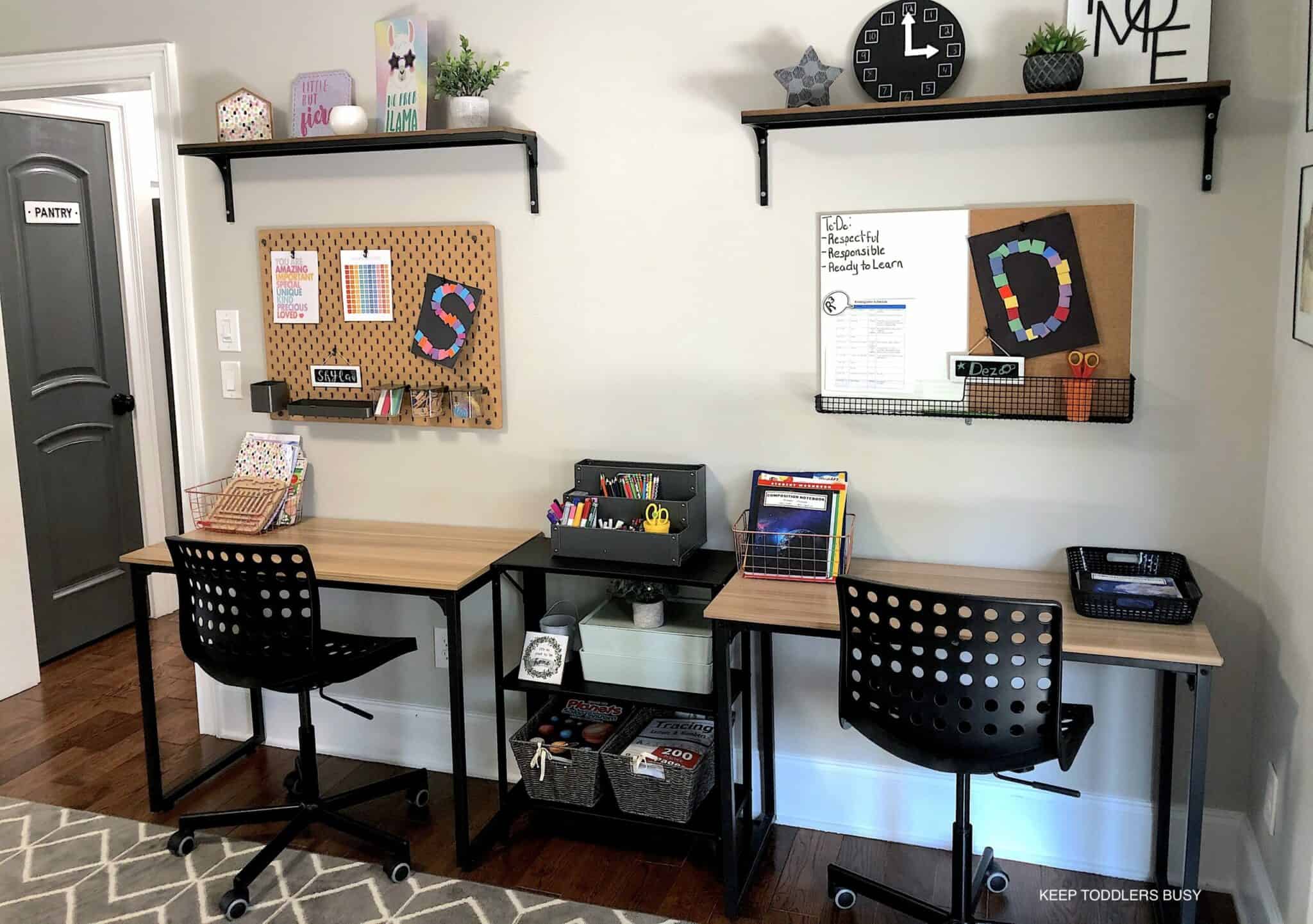
For my kids, I opted for two separate desks, allowing each child to have their own dedicated space. We also invested in comfortable ergonomic chairs that encouraged good posture.
Step 3: Organization is Key
This is where the magic truly happens. A well-organized homework station is essential for minimizing distractions and maximizing productivity.
Storage Solutions: Invest in storage containers, shelves, and drawers to keep everything organized. Label everything clearly so your child knows where to find what they need. Pencil Holders: Keep pencils, pens, and other stationery items readily accessible in pencil holders or organizers. File Folders: Use file folders to organize assignments, handouts, and completed work. Whiteboard or Corkboard: A whiteboard or corkboard is a great way to display assignments, deadlines, and reminders.
I went a little overboard with the organizing containers, but it paid off. Everything has its place, and my kids know exactly where to find it. This has significantly reduced the amount of time they spend searching for lost items. We also use a large whiteboard to keep track of assignments and upcoming tests.
Step 4: Personalize and Decorate
Make the homework station a space that your child actuallywantsto use. Let them personalize it with their favorite colors, posters, and decorations.
Incorporate their interests: Add items that reflect their hobbies and interests, such as books, artwork, or photos. Create a calming atmosphere: Use calming colors and natural elements to create a relaxing and inviting space. Add plants:Plants can help to purify the air and create a more pleasant environment.
My daughter loves to read, so we added a small bookshelf to her homework station filled with her favorite books. My son is a budding artist, so we displayed some of his artwork on the walls. These small personal touches made the space feel more inviting and less like a chore.
Step 5: Establish a Routine
Creating a dedicated homework station is only half the battle. It’s also important to establish a consistent routine and expectations.
Designate a specific time for homework: Set aside a specific time each day for homework and stick to it as much as possible. Minimize distractions: Turn off the TV, put away phones, and let your child know that this is their dedicated time for work. Provide support and encouragement:Be available to answer questions and provide assistance, but avoid doing the homework for them.
We established a "no phone" rule during homework time, and it has made a huge difference. My kids are much more focused and productive when they're not constantly checking their phones.
The Unexpected Perks of Our Homework Station
The benefits of creating a dedicated homework station have been far greater than I ever imagined. My kids are more organized, more focused, and more motivated to complete their homework. We've also seen a significant decrease in stress and conflict surrounding homework time.
But perhaps the biggest benefit is the improvement in my kids' academic performance. They are now able to concentrate better, retain information more effectively, and complete their assignments more efficiently.
Addressing Common Homework Hurdles
Setting up a good study space is one thing; getting your kids to actuallyuseit effectively is another. Here are some common questions and solutions:Why is a dedicated study space important?
A dedicated study space is important because it provides a consistent and distraction-free environment for learning. It signals to your child that it’s time to focus and helps them develop good study habits. By having a designated space, you're creating a mental association between that area and work, which can improve concentration and productivity. It also helps to keep homework materials organized and accessible.
How do you start a good homework routine?
Start by setting clear expectations and establishing a consistent schedule. Discuss with your child the importance of completing their homework and the benefits of developing good study habits. Designate a specific time each day for homework and stick to it as much as possible. Minimize distractions during homework time and provide support and encouragement. Break down larger assignments into smaller, more manageable tasks to avoid feeling overwhelmed. Celebrate successes and acknowledge efforts.
What if my child still resists using the homework station?
Resistance is normal, especially at first. Try making the homework station more appealing by incorporating their interests and personalizing the space. Offer positive reinforcement and rewards for using the station consistently. Communicate with your child about their concerns and address any underlying issues. Consider offering incentives or incorporating breaks into their homework routine. If resistance persists, consult with their teacher or a professional for guidance.
My Final Tip: Keep it Flexible
While a routine and structure are key, don't be afraid to adjust things as needed. What works for one child may not work for another. Talk to your kids, get their feedback, and be willing to make changes to the homework station or routine as necessary. The goal is to create a space that supports their learning and helps them succeed.
Creating a functional and inviting homework station was one of the best investments I've ever made as a parent. It has not only transformed homework time in our house, but it has also helped my kids develop valuable organizational and study skills that will benefit them throughout their lives. I encourage you to take the time to create a dedicated space for your children to learn and grow. It may require some initial effort, but the rewards are well worth it. Now, go create your own homework haven and say goodbye to those nightly battles! Good luck!
Posting Komentar untuk "How I Created a Homework Station That My Kids Actually Use"