
Navigating Busy Airports While Traveling With Pets
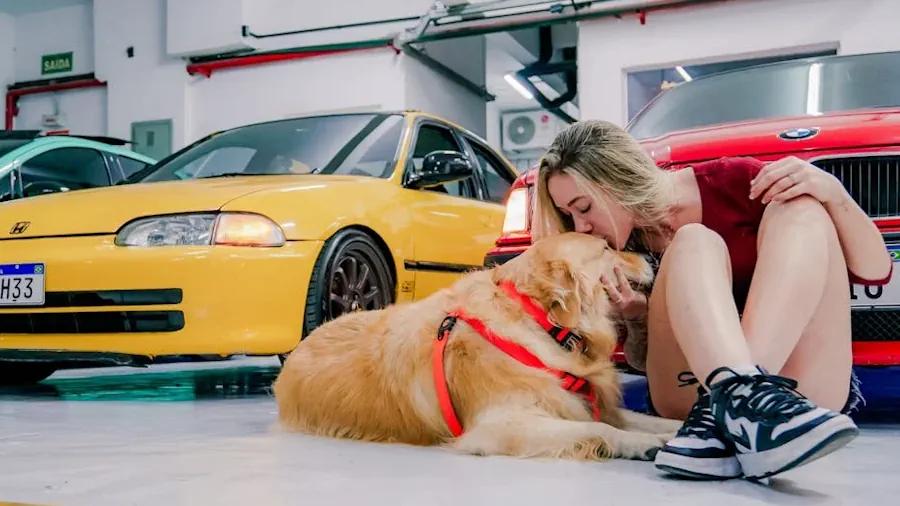
That moment when you’re surrounded by a sea of rushing people, the cacophony of airport announcements echoing overhead, and you realize your furry best friend is feeling utterly overwhelmed? It's a feeling every pet owner dreads.
Navigating a busy airport is stressful enough for us humans. Add a pet into the mix, and the anxiety can skyrocket. Ensuring your beloved companion remains safe, comfortable, and calm amidst the airport chaos requires careful planning and thoughtful execution. This article provides a comprehensive guide to help you navigate the challenges of busy airports while traveling with your pet, minimizing stress for both of you and creating a more positive travel experience.
One of the most effective strategies is to arrive extra early. This allows ample time for security checks, potty breaks, and acclimation to the environment without feeling rushed. It also gives you a buffer in case of unexpected delays or complications.
Navigating Busy Airports While Traveling With Pets
Pre-Flight Preparations: Setting the Stage for Success
Before even stepping foot inside the airport, meticulous preparation is key to a smoother journey. This includes everything from health checks to familiarizing your pet with their travel carrier.
Veterinary Check-Up and Documentation
A pre-travel veterinary check-up is an absolute must. Your vet can ensure your pet is healthy enough to fly and provide any necessary vaccinations or health certificates required by your airline and destination. Make sure all documentation is readily accessible – consider keeping digital copies on your phone and printed copies in a waterproof pouch. A microchip is non-negotiable; it’s your pet's best chance of being reunited with you should they get lost.
Carrier Comfort and Familiarization
Your pet's carrier is their safe haven during travel. It should be appropriately sized, well-ventilated, and comfortable. Introduce the carrier to your pet well in advance of the trip. Encourage them to enter and spend time inside with treats, toys, and blankets that smell like home. Forcing a pet into a carrier at the last minute will only increase their stress levels. A soft, absorbent liner is also crucial for accidents. I once had a client with a nervous Chihuahua; we started carrier training weeks before her flight, associating it with positive experiences like car rides to the park. By travel day, the Chihuahua hopped in willingly, significantly reducing her anxiety.
Airline-Approved Carriers
Ensure your carrier meets the specific requirements of the airline you’re flying with. These often vary in terms of size, material, and ventilation. Check the airline's website well in advance or contact their customer service for detailed information. Using an unapproved carrier can result in your pet being denied boarding, causing immense stress and disruption to your travel plans.
Packing Smart
Prepare a dedicated travel bag for your pet containing essentials like food, water, bowls, leash, waste bags (or litter box and litter), medications, a favorite toy, and a calming aid (if recommended by your vet). Portion out food into individual baggies for each meal to avoid carrying bulky containers.
Navigating the Airport Maze: Step-by-Step Guide
Once you arrive at the airport, it’s all about managing the environment and keeping your pet’s stress levels low.
Potty Breaks Before Security
Before heading to security, take your dog for a potty break in a designated pet relief area. These areas are usually located outside the terminal and may be marked on airport maps. If traveling with a cat, offer them access to a portable litter box in a quiet area of the airport before proceeding. If your airport doesn't have a pet relief areabeforesecurity, plan extra timeaftersecurity to find one.
Security Screening with a Pet
Security screening can be one of the most stressful parts of traveling with a pet. Be prepared to remove your pet from their carrier and walk them through the metal detector while the carrier goes through the X-ray machine. Always keep your pet on a leash or in your arms during this process. Inform the TSA agent that you are traveling with a pet so they can guide you through the procedure. Arriving early gives you the time to calmly explain your situation and ask for assistance if needed.
Finding Quiet Zones
Airports can be incredibly noisy and overwhelming. Seek out quieter areas away from the main concourses where your pet can relax. Look for seating areas near windows or less-trafficked gates. Many airports now offer dedicated pet relief areasinsidesecurity, which provide a clean and comfortable space for your pet to relieve themselves. Check the airport's website or app for locations.
Managing Anxiety: Calming Techniques
Even with the best preparation, some pets experience anxiety in airports. Consider using calming aids recommended by your vet, such as pheromone sprays or calming treats. Speak to your pet in a soothing voice and offer gentle reassurance. Avoid coddling excessive anxiety, as this can inadvertently reinforce the behavior. Instead, try distracting them with a favorite toy or a simple training command they know well.
People Also Ask: What if my pet has an accident in the airport? Be prepared with plenty of absorbent pads, cleaning wipes, and waste bags. Clean up any messes immediately and dispose of waste properly.
Can I give my pet sedatives for the flight? Sedatives are generally not recommended for air travel, as they can have unpredictable effects at altitude. Always consult your veterinarian before administering any medication to your pet.
Are there pet-friendly lounges in airports? Some airports offer pet-friendly lounges with amenities like water bowls, treats, and play areas. Check the airport's website or app for information on available services.
In-Flight Comfort: Ensuring a Smooth Journey
Once you're on the plane, focus on making your pet as comfortable as possible within the confines of their carrier.
Carrier Placement
Place the carrier under the seat in front of you, ensuring adequate ventilation. Avoid placing it near vents blowing hot or cold air. Check on your pet periodically throughout the flight, offering water and reassurance.
Hydration and Feeding
Offer small amounts of water during the flight to keep your pet hydrated. Avoid feeding them a large meal right before or during the flight, as this can increase the risk of motion sickness. Small, easily digestible treats can help keep them occupied and calm.
Monitoring Your Pet's Behavior
Pay close attention to your pet's behavior during the flight. Signs of distress include excessive panting, whining, restlessness, or vomiting. If you notice any of these signs, inform a flight attendant immediately.
Minimizing Turbulence Anxiety
Turbulence can be particularly frightening for pets. Speak to your pet in a calm and reassuring voice and offer gentle petting if they are receptive. A familiar blanket or toy can provide comfort and security.
Arrival and Beyond: Settling In at Your Destination
Once you've arrived at your destination, it's important to help your pet adjust to their new surroundings.
Potty Breaks Upon Arrival
Immediately after deplaning, take your dog for a potty break in a designated pet relief area. Offer your cat access to a litter box in a quiet area.
Gradual Acclimation
Introduce your pet to their new environment gradually. Allow them to explore at their own pace and provide plenty of reassurance. Keep their routine as consistent as possible, including feeding times, walks, and playtime.
Finding Pet-Friendly Amenities
Research pet-friendly hotels, restaurants, and activities in your destination before you travel. This will help you plan a trip that is enjoyable for both you and your pet. Many hotels offer amenities like pet beds, bowls, and treats. Websites and apps dedicated to pet travel can be invaluable resources for finding pet-friendly establishments.
Dealing with Jet Lag
Pets can experience jet lag just like humans. Be patient with your pet as they adjust to the new time zone. Encourage them to get plenty of rest and sunshine, and avoid overexerting them in the first few days after arrival.
Traveling with pets through busy airports can feel daunting, but with careful planning and a compassionate approach, you can navigate the challenges and create a positive travel experience for both you and your furry companion. Remember to prioritize their comfort and safety, and don't hesitate to seek assistance from airport staff or airline personnel when needed. You've got this!
Meta Meta Title: Airport Travel with Pets: Stress-Free Guide for OwnersExpert tips for navigating busy airports with pets! Learn how to reduce stress & ensure a safe, comfortable journey for your furry friend.
Posting Komentar untuk "Navigating Busy Airports While Traveling With Pets"